
Custom-Color Broom Filament: How Pantone Matching Works
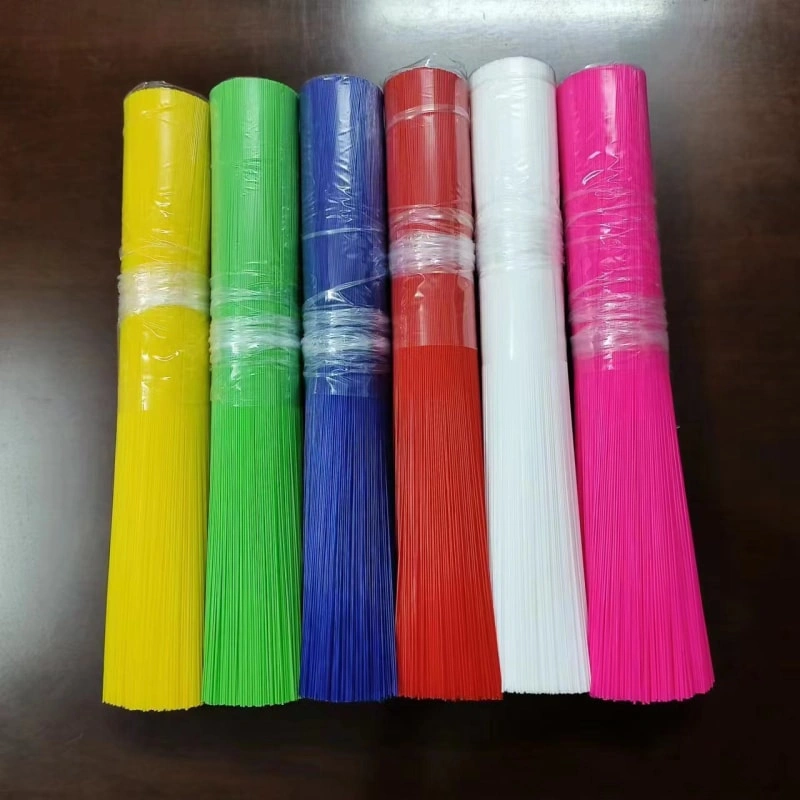
On a supermarket shelf, a broom is a colored object first and a tool second. Houseware brands know this — which is why color is usually the first thing a private-label buyer asks us to customize. Here is exactly how we take a broom from "any color" to your color, and what you can do to make the match come out right the first time.
Step 1: You send us a target
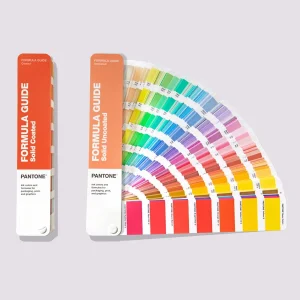
Two things work as a color target: a Pantone number from your design system, or a physical sample — a strand of filament, a competitor broom's bristle, even a piece of packaging. Physical samples are the more accurate route, because Pantone references are printed on paper and plastic renders the same number slightly differently.
Step 2: We produce an approval chip
Our color lab works from 10+ shades within every color family. The technician blends masterbatch ratios and extrudes a small trial run, then sends you the physical color chip. Nothing enters mass production until you approve that chip — this single step prevents nearly all color disputes.
Step 3: Locked recipe, matched reorders
Once approved, the masterbatch recipe is recorded against your order. When you reorder six months later, the same recipe is loaded again, and QC compares production output against your retained approval chip. This is how shelf continuity is protected across seasons — your blue stays the same blue.
Why PP is the color star
PP (polypropylene) takes masterbatch exceptionally well: colors come out saturated, glossy and stable, with strong fade resistance under UV. That is why color-led retail programs usually run in PP, while PET is chosen when performance leads and color follows. Both accept Pantone matching in our plant.
Practical tips for first-time buyers
- Approve under real conditions. Check the chip under daylight and store lighting, not only under office lamps.
- Expect slight batch tolerance. Industrial coloring aims for a close visual match, not a spectrophotometer-zero match.
- Plan your color count. MOQ is 1 ton per color — a three-color broom line means three production runs.
- Consider the handle and block. Match filament to your plastic components early; retro-matching later slows everything down.
Color development typically takes a few days for a chip plus your courier time, and quotations — including color work — are answered within 12 hours.
Have a color in mind?
Send a Pantone number or a physical sample — we'll extrude your approval chip and free samples.