
How Broom Filament Is Made: From Plastic Pellets to Packed Wire
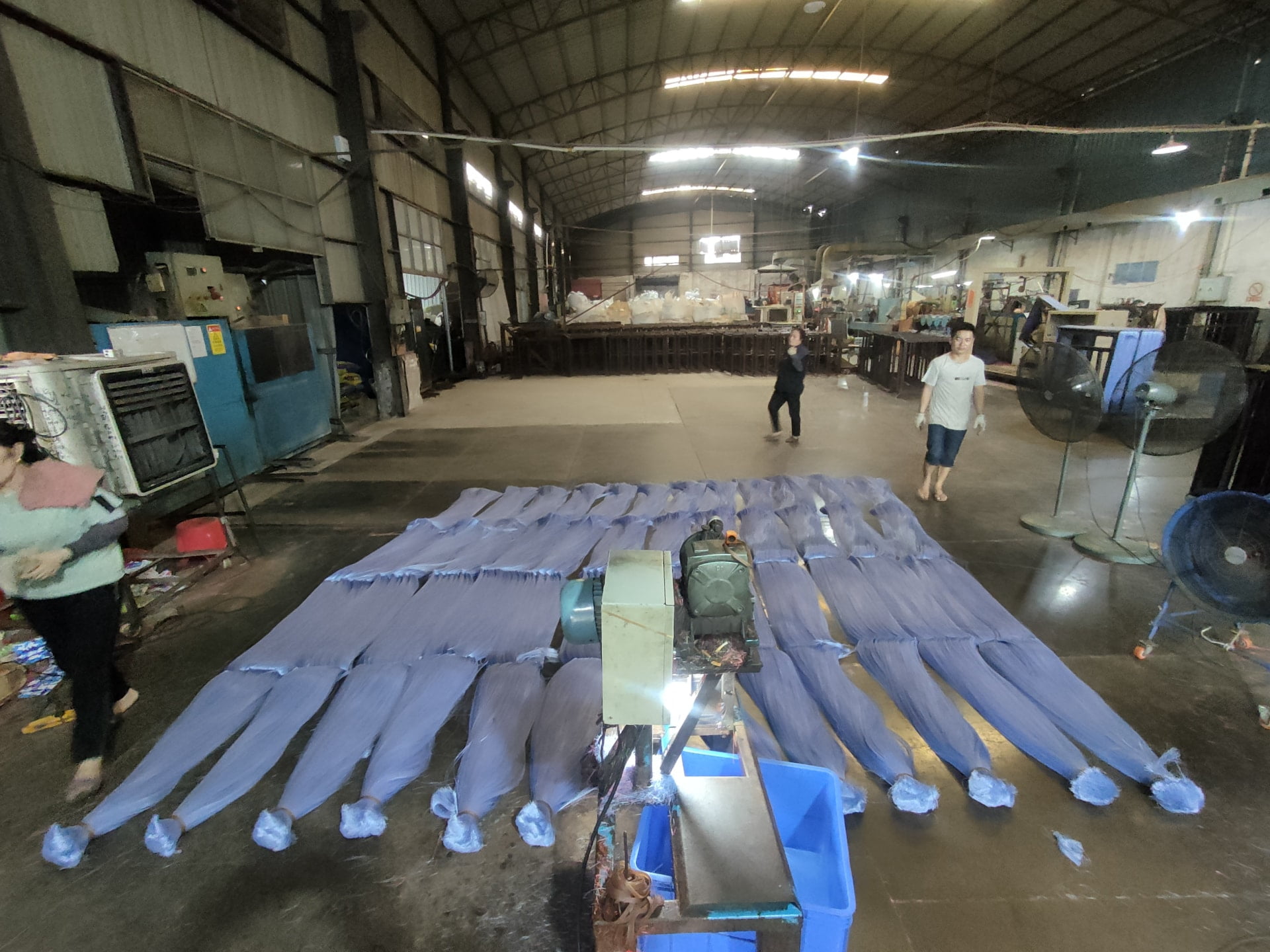
Buyers usually see broom filament as a finished bundle — brightly colored, perfectly straight, uniform in diameter. But the difference between premium broom wire and cheap wire is decided on the production floor, at five specific steps. Here is what actually happens inside our Foshan factory, and why each step matters for the brooms you sell.
Step 1: Raw material selection
Everything starts with virgin PP or PET granules. We produce both: PP filament for vivid colors and cost efficiency, PET filament where elasticity, wear resistance and heat resistance matter. Using virgin material rather than uncontrolled recyclate is what keeps tensile strength and color stable from order to order — recycled material is workable, but it must be a controlled, specified choice, not a hidden one.
Step 2: Color dosing and melt extrusion
Color masterbatch is dosed into the virgin granules before extrusion. The mix is melted and forced through precision dies, and each strand is drawn down to its final diameter — anywhere from 0.15 mm to 1.2 mm depending on the order. Diameter is the single most controlled variable in the plant: a wire that is too thin sweeps weakly, and one that is too thick scatters fine dust instead of capturing it.
Step 3: Heat-set baking
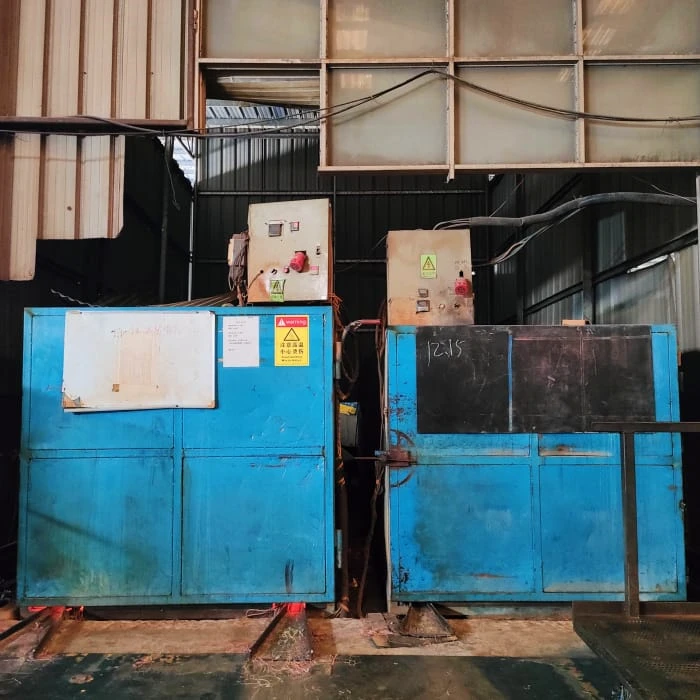
Newly extruded filament still carries internal stress — it curls. In the baking stage, spools pass through controlled-heat ovens that relax the molecules and lock in straightness and elastic recovery. This is the step that separates filament that stands up after months in a warehouse from filament that arrives bent. Poorly baked wire looks identical in a photo, which is why we always encourage customers to test physical samples rather than compare pictures.
Step 4: Cutting and bundling
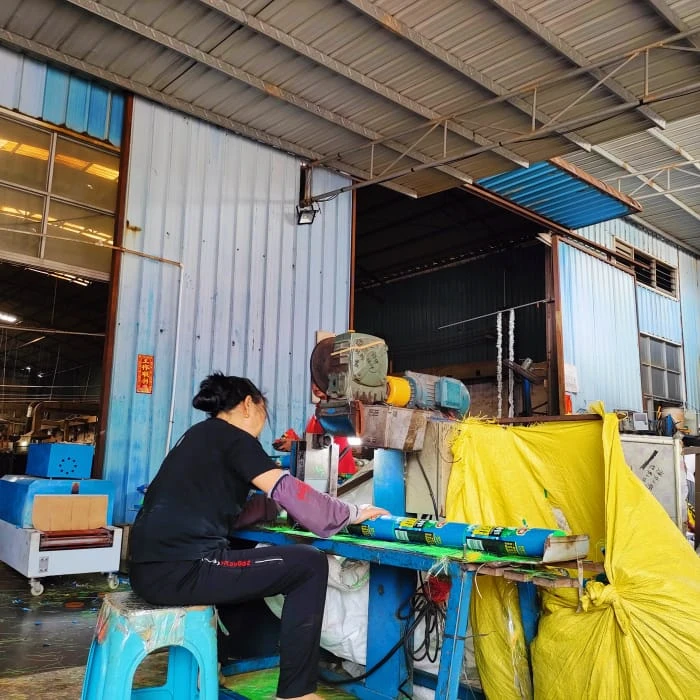
After baking, the wire is cut to the ordered length and bundled to the agreed weight per bundle. Consistent cut length matters more than most buyers realize: when your planting machines or broom-head suppliers receive uniform lengths, their own production loss drops. Bundles are counted, weighed and strapped automatically.
Step 5: Quality check and export packing
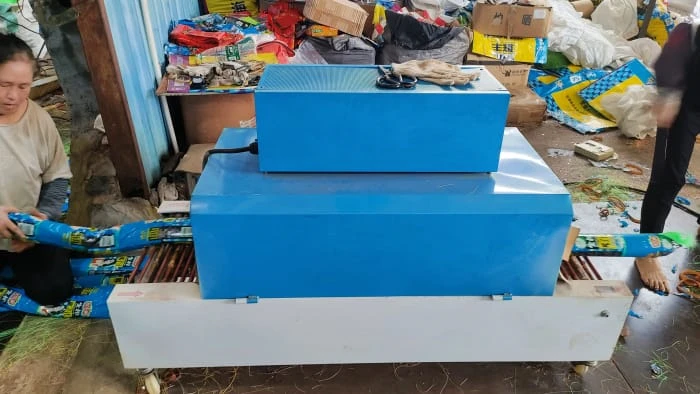
Before anything ships, QC samples each batch for diameter tolerance, elastic recovery, straightness and color match against the approved chip. Approved filament is packed in cartons and fiber bags designed for long-distance sea freight, so bundles reach Europe or the Americas in the same condition they left the workshop.
Why process control matters to you as a buyer
- Consistent diameter — your brooms sweep the same way in every production run.
- Proper baking — no curled, lifeless bristles after shipping and storage.
- Stable color — reorders match the first order, protecting your shelf presentation.
- Uniform bundles — less waste when the wire reaches your planting line.
With 300 tons of monthly capacity and more than 23 years of filament-only focus, we run this five-step cycle every day. Want to see the result before committing? We send free samples worldwide.
See the process in your own sample
Free PET and PP filament samples, shipped worldwide — judge the wire, not the photos.